

|
LATIN NAME: |
Iris pallida |
|
COMMON NAMES: |
Iris rod, Fleur-de-lis, Sweet Iris |
|
FAMILY: |
Flowers |
|
NOTE: |
Base Note, Excellent Fixative |
|
PLANT PARTS USED: |
Roots |
|
ORIGIN: |
Morocco |
|
THE PLANT: |
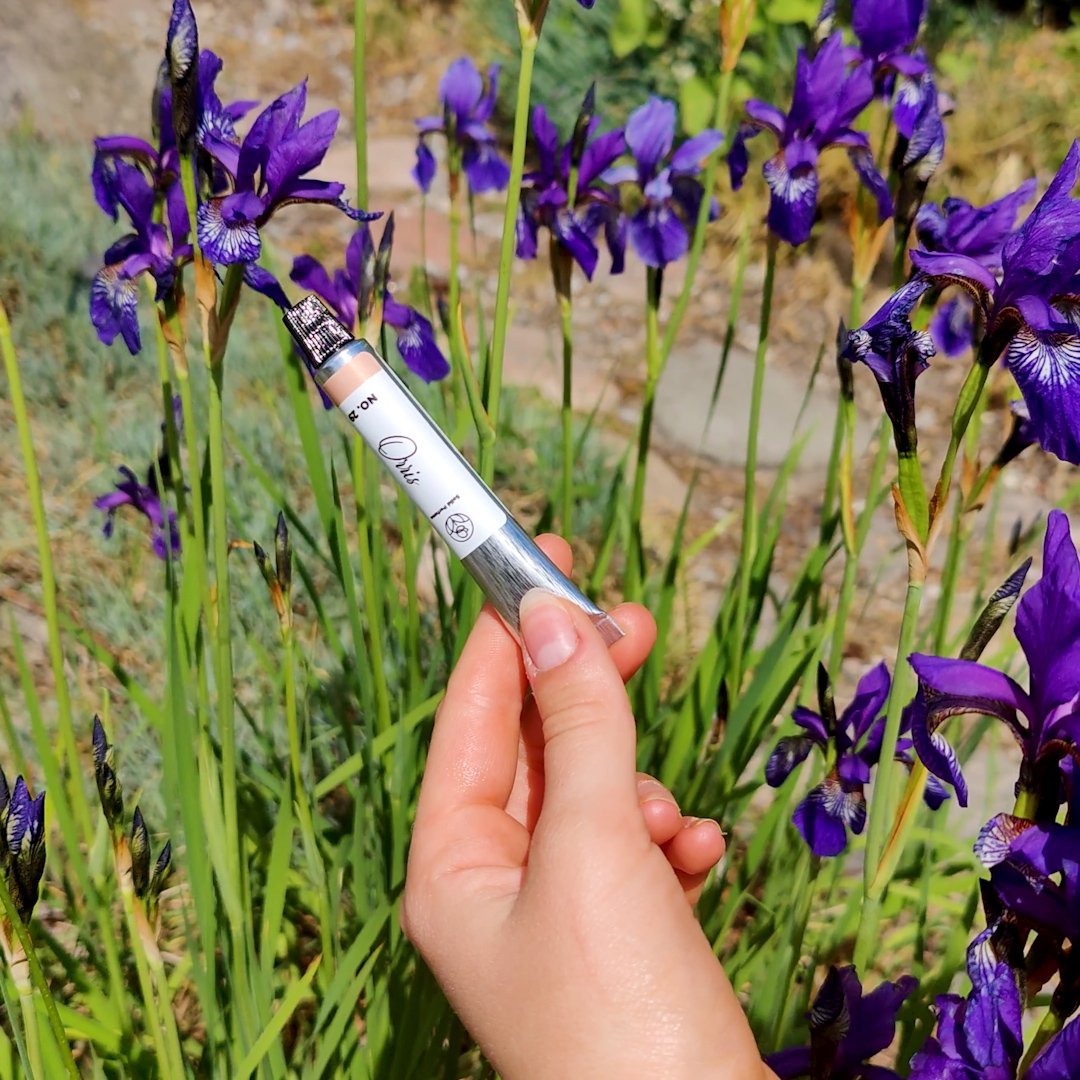
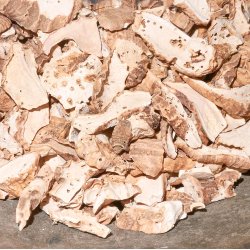
Native to Southern Europe, and became naturalized in Iran and northern India. When fresh, the root of the plant (called 'Orris') has an earthy smell, but after two years of drying, the smell of violet appears and the longer we wait, the stronger it will become. |
|
CULTURAL MEANING: |
The root of the word “Iris” is derived from a Greek word which means “rainbow and messenger”. The Greek goddess Iris is said to have appeared in the form of a rainbow delivering divine messages from the gods to the mortals. The French people prefer to call it fleur-de-lys, which long ago became stylised and adopted as an emblem of the French monarchy. |
|
SCENT DESCRIBTION: |
Powdery, floral, green-woody and reminiscent of violet flower |
|
AROMATHERAPEUTIC EFFECTS: |
It is said to enhance mood. |
|
BLENDING RECOMMADATIONS: |
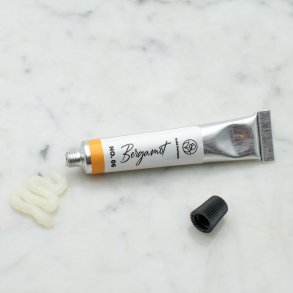
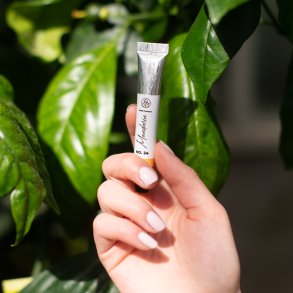
Mandarin No. 24, Bergamot No. 06, Boronia No. 10, Mimosa No. 25, Jasmine Sambac No. 19, Osmanthus No. 30, Rose Otto No. 35, Ambrette No.04, Vanilla No. 39, Ylang ylang No. 41 |
-
Description
INGREDIENTS:
Theobroma Cacao, Butyrospermum Parkii, Prunus Amygdalus Dulcis Oil, Cera Alba, Natural perfume (Orris absolute)
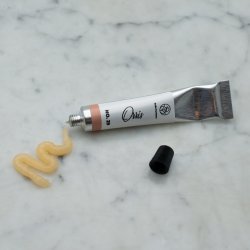
Weight: 8,5g/0.30ozOne of the main ingredients in our product is Shea butter, which we have chosen based on its exceptional moisturizing and protective abilities, and not least its high content of both vitamins A and E. Shea butter melts at body temperature and is therefore perfect for encapsulating and distributing the perfume cream on the skin.
However, this melting ability can result in the product becoming grainy during major temperature changes. This happens because the many different good fatty acids in shea butter melt and solidify at different temperatures. However, these small crystals/pearls melt on the skin when applied.
If crystallization were to occur and you would like to restore the product's smooth consistency, you can simply tighten the cap tightly on the tube, heat the tube so that the cream melts a little, either at body temperature or via another warm medium, and then cool it quickly in e.g. the refrigerator - in this way, the shea butter/product regains its smooth consistency.
We could have chosen to add a synthetic emulsifier to 'rein' the shea butter, but that would go against our goal of producing a 100% natural product.
At Single Flowers we believe that nature has already created the best for us - be it perfume, diet or cosmetics...and why change something that is great all natural? :)

Customers who bought this product also bought