

COMMON NAMES: Patchouli (Pachouli)
SCENT DESCRIPTION: With its deep, rich, earthy, and subtly sweet aroma accented by spicy, woody, and musky undertones, Patchouli brings a warm, sensual, and long-lasting richness to any perfume composition. The oil grows smoother, rounder, and more complex with age, serving as an exceptional fixative that anchors and elevates lighter floral and citrus notes.
FRAGRANCE FAMILY: Woody / Earthy
NOTE: Base
STRENGTH 1 (light) - 5 (strong): 4
DIFFICULTY LEVEL 1 (easy) - 3 (difficult): 2
BLENDING RECOMMENDATIONS: Bergamot No. 06, Pink Grapefruit No. 33, Rose Otto No. 35, Jasmine Sambac No. 19, Sandalwood No. 36, Cedarwood No. 45, Neroli No. 27, Ylang Ylang No. 41, Mandarin No. 24, Labdanum No. 20
AROMATHERAPEUTIC EFFECTS: Emotionally and energetically, Patchouli is renowned for its deeply grounding, calming, and uplifting properties. Its scent helps ease anxiety, stress, and mental overstimulation while promoting inner balance, presence, and sensuality. Like certain exotic floral oils, Patchouli also holds a strong reputation as a natural aphrodisiac.
CULTURAL SIGNIFICANCE: In 19th-century Europe, the scent of Patchouli became synonymous with true luxury, as prized Indian cashmere shawls were packed with dried patchouli leaves during sea voyages to repel moths—the fragrance became so desirable that European weavers began scenting their own shawls to imitate authentic imports. Across Asia, the plant has been used for centuries in traditional medicine, incense, and textile preservation. Later, during the 1960s and 1970s, Patchouli emerged worldwide as an iconic emblem of peace, freedom, and counterculture.
PLANT PARTS USED: Leaves (dried and lightly fermented leaves)
ORIGIN: Indonesia / India
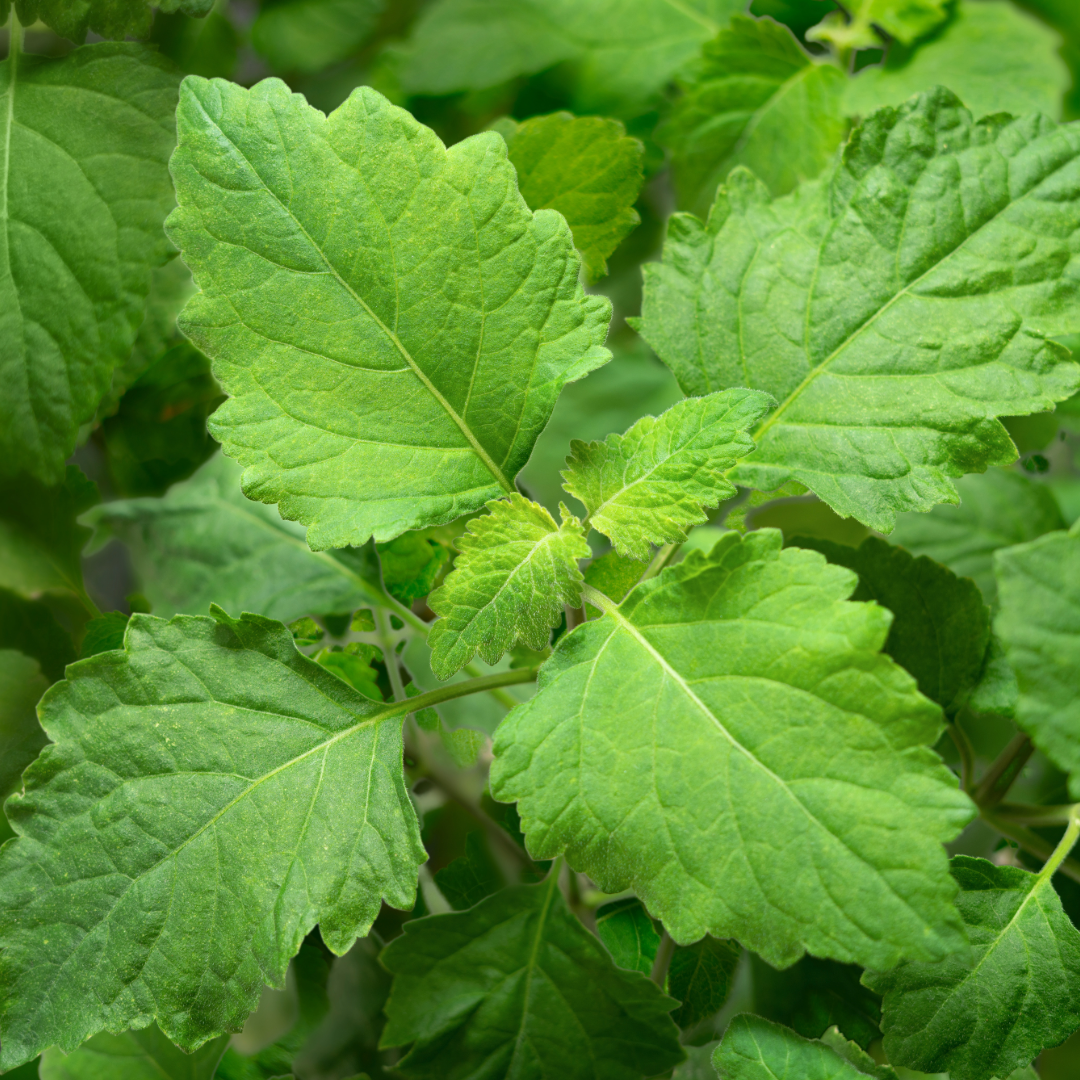
THE PLANT: The prized, golden-brown, slightly viscous oil is extracted through steam distillation of the dried and lightly fermented leaves of the bushy perennial herb Pogostemon cablin, a member of the mint family (Lamiaceae). Growing to about 75–100 cm in height, the plant features large, soft, velvety leaves and pale pinkish-white flowers, thriving in the warm, tropical climates of Southeast Asia.
-
Description
INGREDIENTS:
Butyrospermum Parkii (Shea) butter, Prunus Amygdalus Dulcis Oil, Cera Alba, Theobroma Cacao seed butter, Natural perfume (Patchouli essential oil), Tocopherol, Helianthus annuus seed oil
Weight: 8,5g/0.30oz
One of the main ingredients in our product is Shea butter, which we have chosen based on its exceptional moisturizing and protective abilities, and not least its high content of both vitamins A and E. Shea butter melts at body temperature and is therefore perfect for encapsulating and distributing the perfume cream on the skin.
However, this melting ability can result in the product becoming grainy during major temperature changes. This happens because the many different good fatty acids in shea butter melt and solidify at different temperatures. However, these small crystals/pearls melt on the skin when applied.
If crystallization were to occur and you would like to restore the product's smooth consistency, you can simply tighten the cap tightly on the tube, heat the tube so that the cream melts a little, either at body temperature or via another warm medium, and then cool it quickly in e.g. the refrigerator - in this way, the shea butter/product regains its smooth consistency.
We could have chosen to add a synthetic emulsifier to 'rein' the shea butter, but that would go against our goal of producing a 100% natural product.
At Single Flowers we believe that nature has already created the best for us - be it perfume, diet or cosmetics...and why change something that is great all natural? :)